
PRP injection
PRP (Platelet Rich Plasma) Injections
What is PRP?
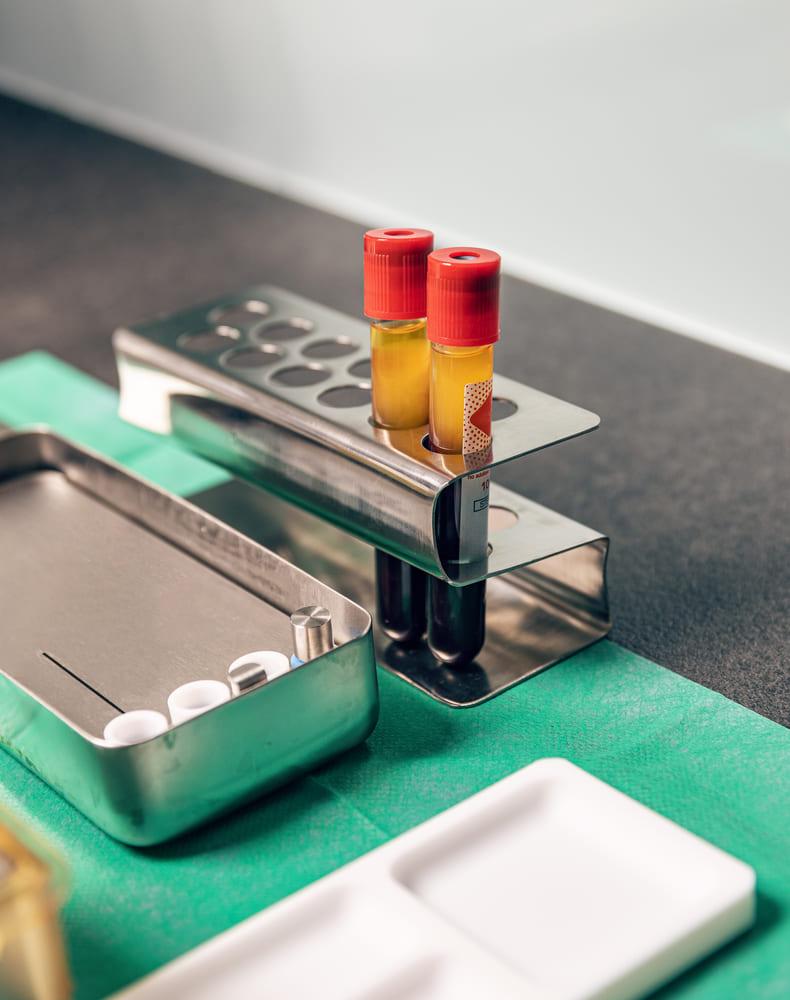
PRP (Platelet Rich Plasma) is a regenerative medicine technique that uses the patient’s own platelets to stimulate tissue repair and regeneration.
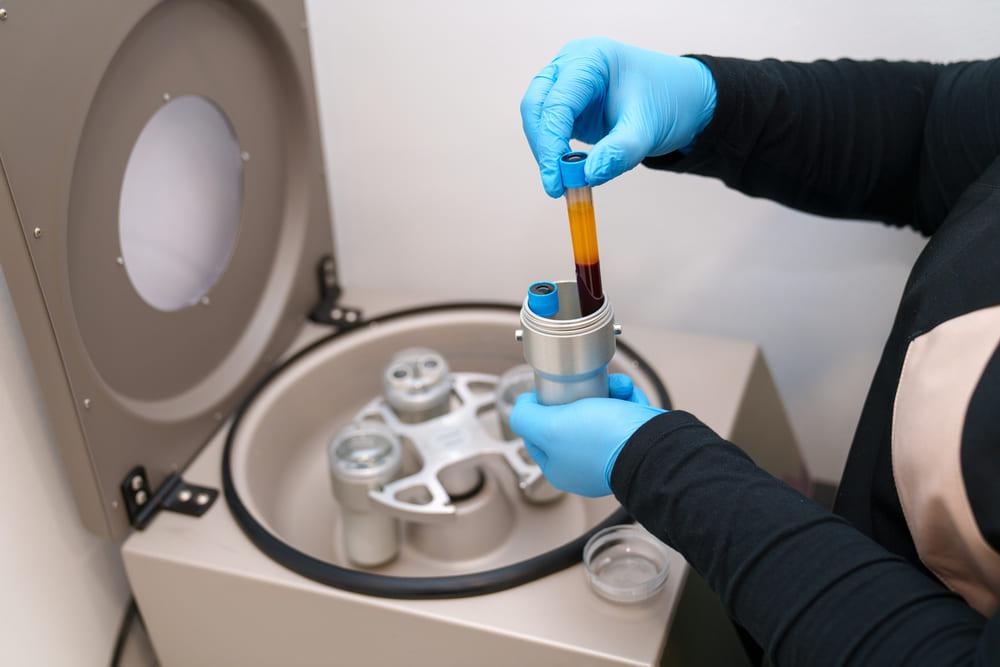
Plasma is obtained after a simple blood test , then centrifugation in order to concentrate the platelets, rich in growth factors .
These biologically active factors promote microcirculation , healing and cell regeneration .
In urology, PRP is currently offered for two main indications:
- Erectile dysfunction , particularly of vascular origin or following surgery
pelvic. - Peyronie’s disease , to reduce fibrosis and improve penis elasticity.
Principle and course of treatment
The PRP injection is performed in consultation , under local anesthesia .
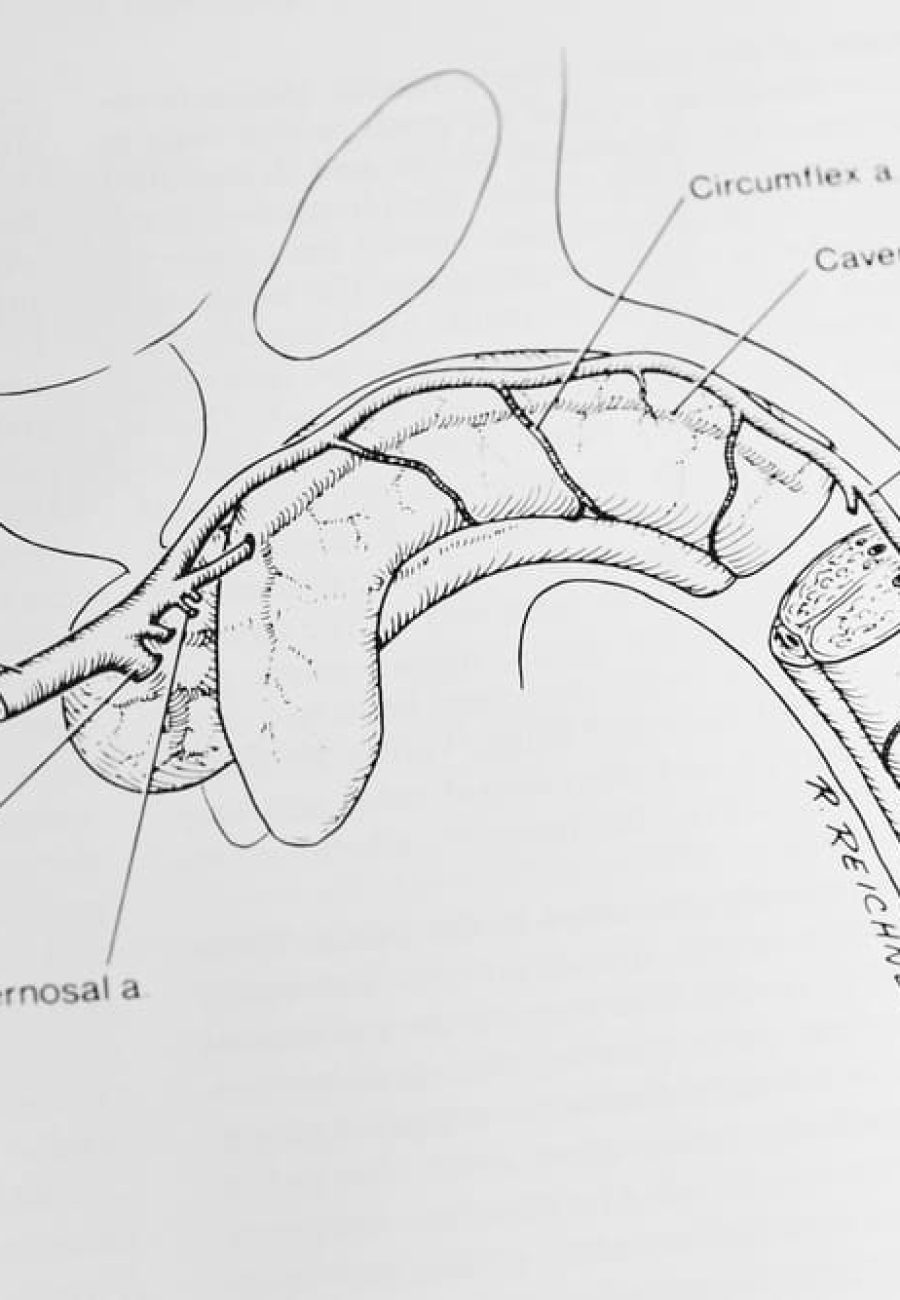
After plasma preparation, small injections are made directly into the corpora cavernosa (in erectile dysfunction) or into the fibrous plaque (in Peyronie’s disease).
The session lasts approximately 30 minutes , without hospitalization, and the patient can resume their activities immediately.
💡 A protocol of 3 to 6 sessions , spaced a few weeks apart, is generally proposed depending on the situation and clinical response.
PRP and erectile dysfunction
💡 PRP aims to restore natural erectile function by stimulating revascularization and regeneration of cavernous tissues .
Unlike drug treatments, it acts on the vascular or post-traumatic cause of the dysfunction.
💡Clinical studies report an improvement in erections in approximately 60% of treated patients , depending on the protocols used and the initial severity of the disorder.
💡 Best responses are seen in patients with mild to moderate vascular-related erectile dysfunction .
Side effects are rare and mild (slight local tenderness or transient hematoma).
💡This approach can be offered as an alternative or in addition to conventional treatments (drug treatments, intracavernous injections, etc.).
PRP and Peyronie's disease
In Peyronie’s disease , PRP acts on the inflammatory and fibrous process responsible for the deformation of the penis.
By stimulating tissue regeneration, it can:
✅ Reduce pain at the inflammatory stage,
✅ Soften the fibrous plaque ,
✅Improve the curvature and quality of erection in some cases,
✅ Improve comfort during intercourse.
💡Recent publications report clinical improvement in approximately 50 to 70% of cases with an average reduction in curvature of around 15 to 20° and 1 in 2 patients report easier intercourse .
PRP can be used alone or in combination with other non-surgical therapies
(shock waves, penile traction, etc.).
Benefits and safety
- 100% autologous and natural technique (no foreign products or allergic risks).
- Minimally invasive and painless procedure.
- Can be repeated or combined with other treatments as needed.
Expertise
Understanding the PRP
Dr. Benarroche offers PRP injections after a rigorous clinical evaluation, as part of protocols aimed at improving tissue and vascular function.
FAQ – Frequently Asked Questions
Is it painful?
No. Injections are performed under local anesthesia. Moderate discomfort may occur for 24–48 hours.
How many sessions are needed?
Generally, 3 to 6 sessions spaced 4 to 6 weeks apart are offered, followed by a clinical check-up.
Does PRP replace drug treatments?
No, this is a complementary or alternative treatment depending on the cause of the dysfunction. The initial urological assessment helps define the best strategy.
What are the risks?
Adverse effects are rare and mild: redness, bruising, or transient discomfort. No systemic side effects have been reported.
When do the results appear?
Generally after 2 to 3 sessions, with a progressive improvement in the quality of erections or the flexibility of the penis.
Experience
Academic background
Dr. Benarroche offers a male-focused approach to care, combining medical and surgical approaches, adapted to the needs of each patient.
Ready to Take Care of Your Health?
Contact me today for a personalized consultation