
What is a urethral stricture?
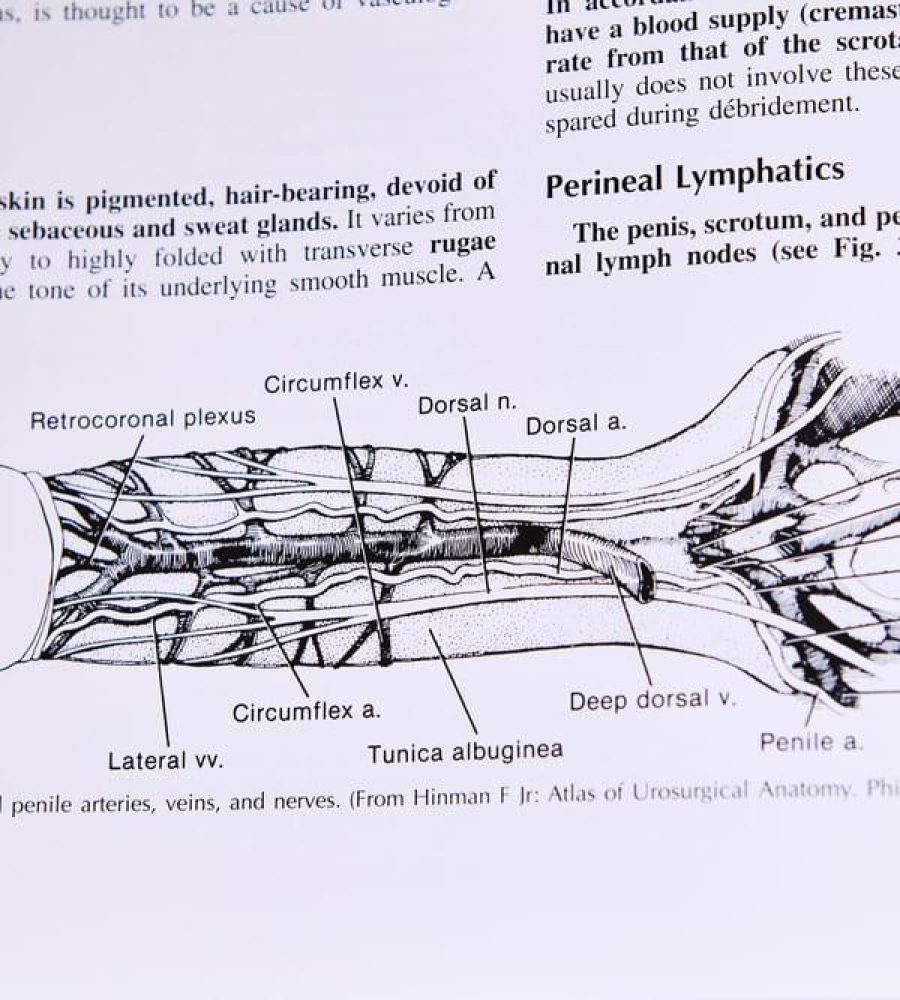
Urethral stricture is a narrowing of the urinary canal , which prevents urine from flowing normally from the bladder.
It can occur after :
⚠️ trauma (fall on the perineum, urinary catheter, previous intervention),
⚠️ an old urethral infection ,
⚠️or more rarely in an inflammatory or congenital context.
Symptoms are often progressive: reduced urinary flow , need to urinate more frequently, sensation of incomplete emptying, or even acute retention when the urethra is completely obstructed.
The diagnosis is based on :
✅ the interrogation and clinical examination ,
✅a retrograde and micturition urethrography (X-ray with contrast product),
✅ and a urethroscopy to visualize the stenosis.
These tests make it possible to determine the location, length and degree of obstruction , which are essential for planning the therapeutic strategy.
Treatment depends on the length of the stenosis , its location and its age .
There are two main approaches: endoscopic urethrotomy and urethroplasty .
Endoscopic urethrotomy: a temporary or palliative treatment
Endoscopic urethrotomy involves cutting the stricture from the inside using an endoscope inserted into the urethra.
This technique, performed under anesthesia, is simple and minimally invasive , but it only treats the visible narrowing without correcting the underlying scarring.
It is sometimes indicated for very short, partial and non-recurrent stenoses .
⚠️However, in the majority of cases, the stenosis recurs within months , with an estimated failure rate of between 60 and 80 % in the medium term.
⚠️ Repeated dilations or successive urethrotomies generally do not provide any lasting cure and may even worsen local fibrosis.
📌Thus, endoscopic urethrotomy should be considered as a transitional treatment , or as a first assessment procedure before definitive reconstruction.


Urethroplasty: the standard curative treatment
Urethroplasty is reconstructive surgery of the urethra. It involves removing or reconstructing the narrowed area to restore normal caliber and sustained flow.
Depending on the case:
💡 Resection-anastomosis : the diseased segment is removed and the two healthy ends are sutured.
💡Urethroplasty with buccal mucosa graft : The cheek mucosa is taken and used to widen the narrowed area.
✅ These techniques achieve success rates of over 85–90% , with a lasting return to normal flow and restored quality of life .
✅ Urethroplasty is therefore the only treatment allowing a complete cure in cases of extensive, complete or recurrent stenosis.
✱ The procedure is performed under general anesthesia .
✱ A urinary catheter is left in place for a few days to a few weeks depending on the technique.
✱ Regular post-operative monitoring is essential to monitor healing and prevent any recurrence.
💡 In the vast majority of cases, patients regain a powerful and continuous urinary stream , without residual discomfort.
Complications are rare and return to activities is rapid.
Specialized monitoring helps ensure that the results are maintained over the long term.

Dr. Davy Benarroche , urological and andrological surgeon, holds the IUD in urethral surgery .
He performs all treatments for urethral strictures, procedures
from simple endoscopic to complex reconstructions with oral mucosa grafting.
His expertise allows him to offer personalized care, in accordance with the latest reconstructive surgery recommendations .
Dr. Benarroche supports patients with urethral stricture with personalized treatments, combining diagnostic expertise and surgical or endoscopic solutions depending on the complexity of the case.
No. A urethral stricture is a permanent fibrous scar. Only surgery can restore normal caliber.
No. Urethrotomy is often followed by recurrence. In cases of complete, long, or recurrent stricture, urethroplasty should be considered.
Oral discomfort is moderate and transient, with rapid healing within a few days.
Urethral stricture is a scarring condition that does not heal spontaneously.
Although endoscopic urethrotomy can sometimes provide temporary relief, urethroplasty remains the standard treatment , the only one capable of providing lasting healing .
Dr. Benarroche offers a male-focused approach to care, combining medical and surgical approaches, adapted to the needs of each patient.
Contact me today for a personalized consultation