
Minimally invasive treatment of prostate adenoma
Relieving prostate pain while preserving sexuality
Dr. Davy Benarroche offers UroLift® and Rezum™ to treat prostate adenoma, preserve sexuality and improve urinary symptoms in men.
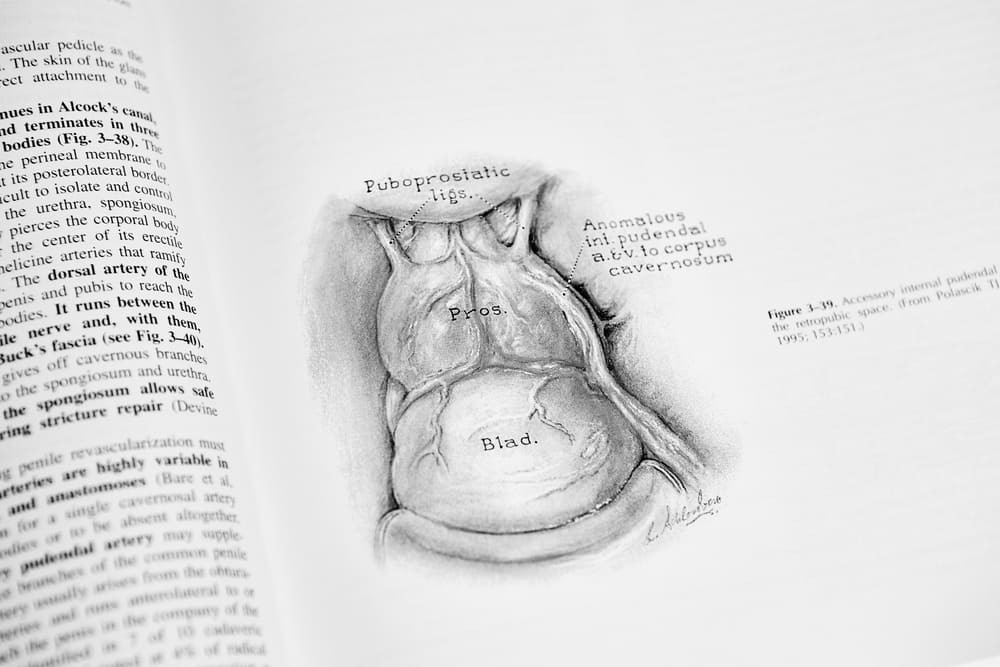
Minimally invasive treatments for benign prostatic hyperplasia (BPH): Objective: To preserve sexuality
Understanding prostate adenoma
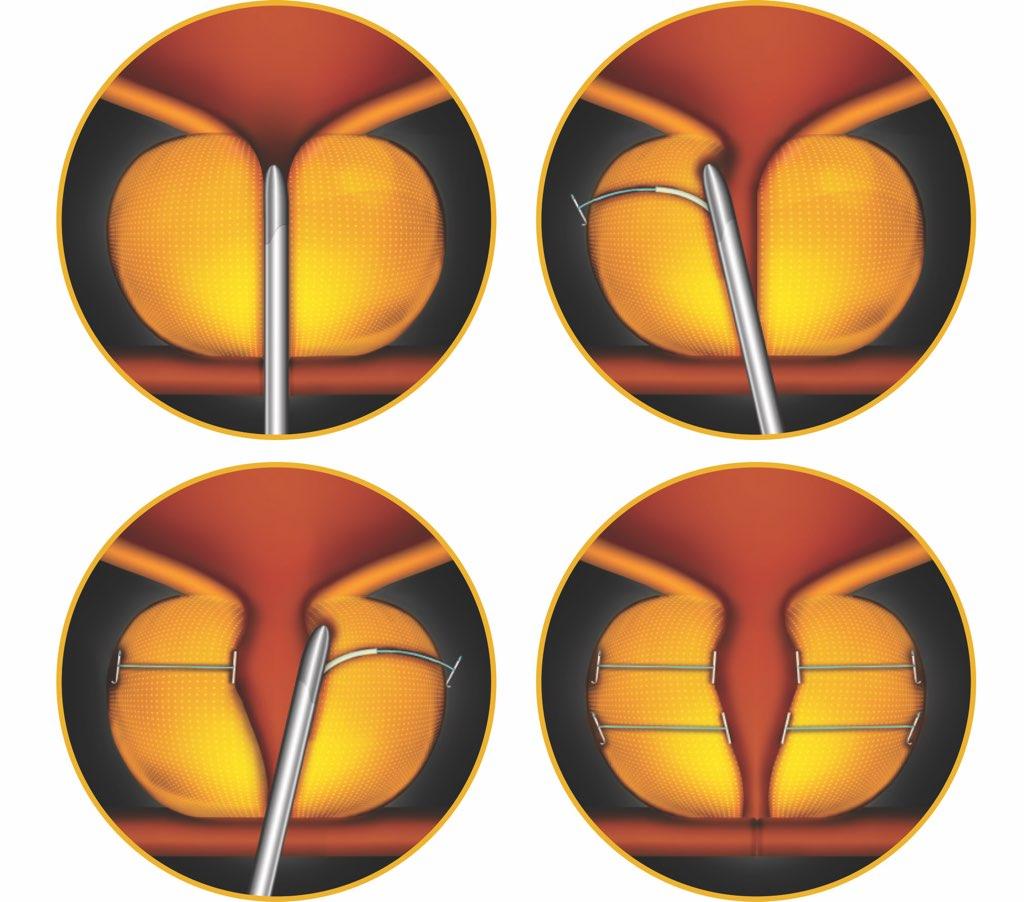
Minimally invasive treatments for benign prostatic hyperplasia (BPH): preserving sexuality
Benign prostatic hyperplasia (BPH), or prostate adenoma, is a common condition in men over 50. It involves a progressive increase in the size of the prostate gland, leading to urinary problems: more frequent urination, a weak stream, a feeling of incomplete bladder emptying, nighttime awakenings, and even complications (acute urinary retention, infections, bladder stones, etc.). Why consider minimally invasive treatment? The goal: to preserve sexual function (erections and ejaculations). Traditionally, surgery (transurethral resection of the prostate, adenomectomy) is offered when medication is no longer sufficient. Minimally invasive techniques now offer an effective and less aggressive alternative to traditional surgery. They allow for faster recovery, a reduced risk of complications (bleeding, incontinence), and, most importantly, the preservation of ejaculation , while significantly improving quality of life.
Expertise
Treating prostate adenoma
Dr. Benarroche incorporates innovative solutions in the management of prostate adenoma, combining minimally invasive surgical methods and personalized treatments according to each patient’s profile.
 Expertise - Les traitements innovants pour traiter l'adénome de prostateDr Davy Benarroche
Available techniques
1. UroLift® Principle : placement of small implants that mechanically separate the lobes of the prostate to open the urethra, without removing any tissue. Advantages :
-
- Rapid intervention, performed on an outpatient basis.
- Preserves sexual function: maintains ejaculation
- Rapid effect on urinary flow.
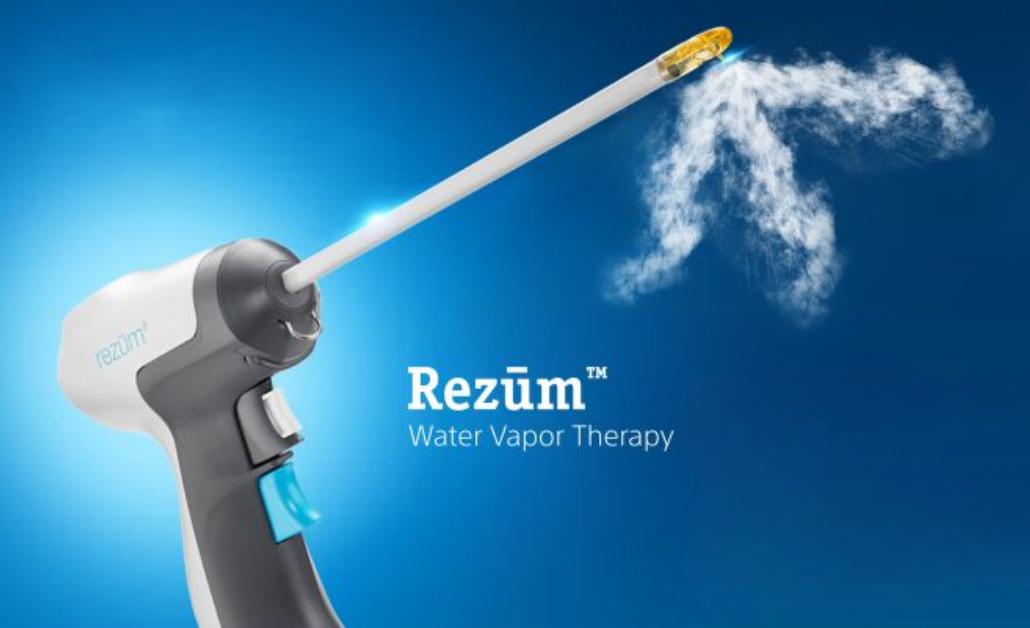
Scientific results : lasting improvement in urinary symptoms and quality of life, with follow-up of more than 5 years in some patients. 2. Rezum™ (steam therapy) Principle : the Rezum™ technique uses the energy of steam injected directly into the prostate tissue. The steam destroys the adenoma cells, which are then gradually reabsorbed by the body. Advantages :
-
- Quick procedure (a few minutes).
- Significant reduction in prostate volume.
- Preservation of sexual function in the vast majority of cases.
- Gradual improvement of urinary symptoms over a few weeks.
Special feature : After the procedure, the patient must keep a urinary catheter in place temporarily (on average 5 days) to allow for proper healing and prevent urinary retention. Scientific results : lasting effectiveness for up to 5 years, with a significant improvement in urinary flow rate and quality of life.
The course of treatment
Specialized consultation : symptom assessment, ultrasound, uroflowmetry, blood test (PSA). Personalized treatment plan : based on prostate size, patient expectations (particularly preservation of sexual function), and medical history. Procedure : performed under light sedation, on an outpatient basis. Follow-up :
- UroLift® : rapid recovery, immediate improvement.
- Rezum ™: wearing a probe for a few days, progressive improvement in 4 to 6 weeks.
Experience
Academic background
Dr. Benarroche offers care focused on men’s health , combining a medical and surgical approach, tailored to the needs of each patient.
 Dr Davy Benarroche - Parcours académiqueDr Davy Benarroche
Which patients can benefit from it?
Treating adenoma without major surgery.
Contact me today for a personalized consultation
FAQ – Frequently Asked Questions
What is meant by minimally invasive treatment of adenoma?
These are techniques performed through natural channels, without incision, which treat prostatic obstruction while preserving urinary and sexual functions as much as possible: Rezum (water vapor), UroLift implants, embolization of prostatic arteries, depending on the case.
What are the advantages compared to traditional surgery?
Lighter anesthesia, little or no hospitalization, recovery in a few days and above all the preservation of ejaculation in the vast majority of cases — which classic resection does not allow.
Are these treatments suitable for all prostates?
No. Each technique has its indications depending on prostate volume, the presence of a median lobe, and the severity of symptoms. A complete assessment (uroflowmetry, ultrasound, endoscopy) allows for the selection of the technique best suited to your anatomy.
What happens if the symptoms return?
The results are lasting for the majority of patients. In the event of a recurrence of symptoms after several years, a new minimally invasive treatment or a more complete clearing (laser) remains possible, without any loss of opportunity.
Is it as effective as traditional surgical techniques (laser, TURP)?
Minimally invasive techniques such as UroLift® and Rezum™ offer comparable improvement in urinary symptoms for the majority of patients with a moderately sized prostate. They have the advantage of being less aggressive, with faster recovery, little risk of bleeding, and, most importantly, almost always preserving sexual function. However, for very large prostates (over 80 ml), traditional laser surgery or endoscopic resection may still be more suitable.
How long does the procedure take?
On average 15 to 30 minutes depending on the technique.
Will I have to stay in the hospital?
In most cases, the procedure is performed on an outpatient basis (discharge on the same day).
Will I be in pain after the operation?
The after-effects are usually straightforward. There may be some burning during urination, which can be relieved with appropriate treatment.
Will I need a urinary catheter after the procedure?
UroLift®: generally no. Rezum™: yes, a probe is required for an average of 5 days.
Is sexuality preserved?
Yes, these techniques are designed to preserve erection and ejaculation, which is a major advantage compared to some traditional surgeries.
Is this covered by Social Security?
Yes, these procedures are covered, possibly with additional coverage depending on the terms of your insurance or mutual insurance.
Dr Davy Benarroche's expertise
Chirurgien urologue - Andrologue

Minimally invasive treatment of prostate adenoma: there are solutions.