
Peyronie’s disease
Penile curvature: understanding and correcting
Peyronie’s disease expert in Paris. Personalized protocols: PRP and hyaluronic acid injections (PEROVIAL), penile straightening surgery or penile implant.
Peyronie's disease: understanding and treating it effectively
What is Peyronie’s disease?
Peyronie’s disease is characterized by the formation of localized fibrosis (plaque) in the tunica albuginea, the membrane that surrounds the corpora cavernosa of the penis. This fibrosis causes deformation and curvature of the erect penis , sometimes accompanied by pain and decreased rigidity. Although benign, this condition can have a significant impact on sexuality and self-confidence .
Natural progression of the disease
It usually progresses in two phases : an acute, inflammatory phase (not always observed) : pain during erection, appearance and possible worsening of the deformity and curvature; and a stable, chronic phase : disappearance of pain, but persistence of the deformity. Without appropriate treatment, the condition most often stabilizes with a permanent curvature , sometimes causing discomfort during intercourse. Initial treatment aims to stabilize, soften, and straighten the penis to minimize the need for surgery.
Conservative treatment: a biological and mechanical approach
Conservative treatment refers to all non-surgical solutions offered to treat Peyronie’s disease . The objective is twofold: to halt the progression of the disease (inflammatory phase) and to attempt to reverse the curvature without resorting to surgery. This modern approach relies on a powerful synergy: the biological action of PRP combined with the mechanical action of traction .
1. PRP (Platelet-Rich Plasma) Injections
PRP is an innovative technique derived from regenerative medicine. It uses your body’s own natural healing abilities to repair damaged tissue.
How does it work? The procedure is simple and takes place in the doctor’s office: after a standard blood test, the blood is centrifuged to isolate the ultra-concentrated platelet plasma. This concentrate is then reinjected directly into the area of the Peyronie’s plaque.
The growth factors contained in PRP stimulate: cellular regeneration and the formation of new blood vessels (neovascularization); the gradual resorption of fibrosis (rigid scar tissue); and the restoration of elasticity in erectile tissues to allow for better penile extension. The advantages of PRP: It is a 100% natural and autologous treatment (derived from your own body), eliminating any risk of rejection or allergy. The standard protocol generally requires several spaced-out sessions to achieve optimal results.
Focus on a new injectable treatment: PEROVIAL (Hyaluronic Acid)
PEROVIAL (IBSA Laboratory) represents a new non-surgical therapeutic option for the management of Peyronie’s disease. It is an injectable solution based on hyaluronic acid , a molecule naturally present in the body, known for its hydrating and viscoelastic properties.
How does it work? PEROVIAL is administered directly into the heart of the fibrous plaque (intralesional injection). Its action is twofold:
-
Tissue restructuring: Hyaluronic acid will infiltrate the fibrositis to hydrate it deeply. This helps to space out the inflammatory cells and reduce the density of the plaque.
-
Softening: By recreating a more flexible physiological environment, the injection aims to reduce the rigidity of the pathological area, thus relieving pain in the active phase.
To maximize results, it is often recommended to combine these injections with mechanical therapy. The injection “prepares” the tissue by softening it, making stretching exercises more effective in correcting the curvature.
2. Mechanical traction (vacuum or penile traction device)
Why stretch fabrics?
Peyronie’s disease is characterized by the formation of a fibrous, inelastic plaque which, by contracting, leads to curvature and loss of length of the penis.
The principle of conservative treatment is to counteract this retraction . By applying a controlled mechanical force to the tissues, the natural ability of cells to regenerate and reorganize is stimulated. The goal is therefore to transform a mechanical stimulus (stretching) into a biological healing response.
Penile extender devices (traction) or the Vacuum (vacuum pump) allow for gentle, progressive and daily stretching of the penis.
Unlike surgery, which acts in a single procedure, this technique relies on consistency. Continuous stretching will:
-
To soften the fibrotic plaque (the internal scar).
-
Stimulate the remodeling of healthy tissues.
-
Actively fight against the natural retraction of the disease.
The key to success with traction therapy is perseverance . Results are not immediate but develop over several months. It’s a long-term treatment that requires discipline, but it’s essential for preparing the tissues and optimizing the outcome, whether to avoid surgery or to prepare for it.
The surgical option
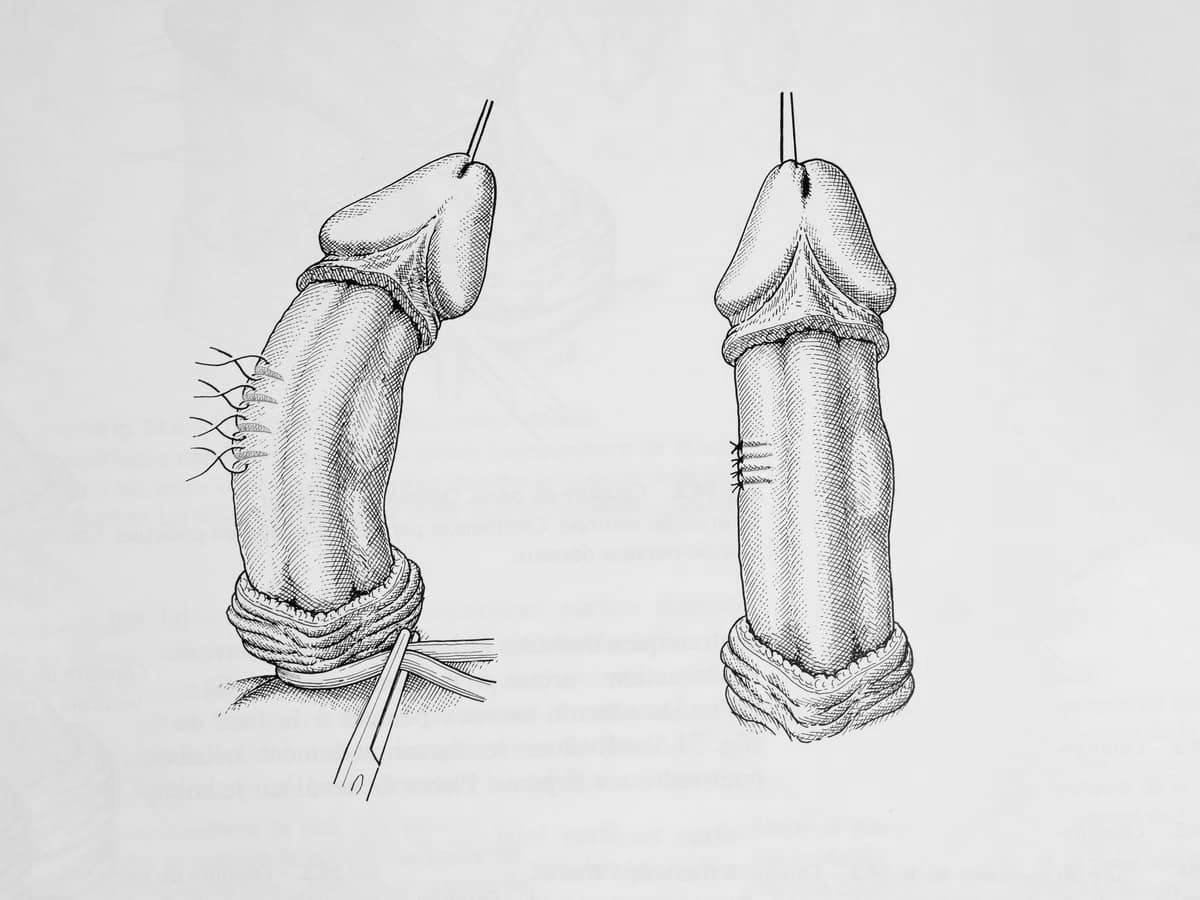
Although often reserved for cases where medical treatment has failed, surgery may be considered from the outset if the deformity is severe or if the patient desires it. The goal is to correct the curvature using appropriate techniques. However, it is essential to carefully assess the benefit-risk balance (penile shortening, risk of erectile dysfunction ) before proceeding.
Do you suspect Peyronie’s disease?
Needs
Expertise

Expected results and benefits of conservative treatment
Expertise

Peyronie's disease
Dr. Benarroche offers dedicated care for Peyronie’s disease, aiming to correct penile deformities and restore satisfactory sexual function through appropriate treatments.
Experience
Academic background
Dr. Benarroche offers care focused on men’s health , combining a medical and surgical approach, tailored to the needs of each patient.


Dr. Davy Benarroche's expertise
Dr. Davy Benarroche, a urologist and andrologist , is trained in all medical, regenerative, and surgical techniques for treating Peyronie’s disease. He always favors a progressive, conservative, and personalized approach.
FAQ – Frequently Asked Questions
How to recognize Peyronie's disease?
Symptoms include the appearance of a new curvature of the erect penis, a palpable nodule or induration on the penis, sometimes accompanied by pain. Shortening or an “hourglass” deformity are also possible.
How can the progression of the disease be slowed down?
Early intervention, in the active phase, gives the best results: shock waves, injections (PRP), penile traction and smoking cessation can limit plaque formation and the progression of curvature.
When should surgery be considered?
Only when the condition has been stable for at least 6 months and the curvature significantly prevents or hinders intercourse. Plication or grafting is then discussed depending on the degree of curvature and the quality of erections.
Does Peyronie's disease affect erections?
It can be accompanied by erectile dysfunction, due to anxiety, pain, or associated vascular damage. In severe cases combining curvature and erectile dysfunction, a penile implant can correct both problems in a single procedure.
When should treatment begin?
Ideally, you should consult a doctor as soon as the first symptoms appear (pain during erection, sensation of a lump or hardening, beginning of curvature). Early intervention, during the active (inflammatory) phase of the disease, can relieve pain and allow for the implementation of solutions (mechanical therapy, medication) to try to limit the worsening of the deformity. It is not necessary to wait until the disease is stable to consult a doctor; quite the opposite.
Does the treatment allow the penis to return to "its previous state"?
The goal of treatment is to restore a functional penis that allows for satisfying and pain-free sexual intercourse. While the results are often very satisfactory, it is rare to recover a penis that is exactly the same as it was before the illness (perfect straightness or initial length).
Is there a treatment to regain length?
Peyronie’s disease often leads to penile retraction (loss of length). To counteract this, a combined approach is often recommended: Mechanical therapy, which applies progressive tension to stretch the tissues; and PRP injections, injected directly into the penis, which promote tissue regeneration and vascularization, thus improving tissue elasticity. The benefit of this combination: PRP helps soften tissues and make them more elastic. When combined with stretching exercises (vacuum/extensor), it facilitates length recovery and optimizes results compared to traction alone.
What is the duration of conservative treatment?
Average duration: Conservative treatments (extensor, injections, medications) often need to be continued for at least 6 months, or even a year, to be effective. Consistency is key: For mechanical therapy (extensor/vacuum), results depend directly on daily attendance (several hours per day) over the long term.
Is surgery risky?
As with any surgical procedure, there is no such thing as “zero risk,” even though techniques are now standardized and well-established. Beyond general risks (infection, hematoma), there are specific side effects that must be discussed before making a decision: Penile shortening: This is the most frequent consequence. Most straightening techniques (especially plication) involve shortening the healthy side to correct the curvature. Erectile dysfunction: There is a risk of developing or worsening erectile dysfunction. This risk is higher with grafting techniques (incision of the plate) than with simple plication techniques. Sensational disturbances: A loss of sensation or numbness in the glans may occur. Fortunately, this is usually temporary, and sensitivity gradually returns. Suture perception: It is sometimes possible to feel small nodules (the knots of the sutures) under the skin of the penis.
Peyronie’s disease: there are solutions.